UNESCO's Recognition > Culture > Cultural World Heritage Sites

Cultural World Heritage Sites
Malaysia is proud to host four Cultural World Heritage Sites recognized by UNESCO for their outstanding universal value in history, culture, and architecture.

Melaka and George Town, Historic Cities of The Straits of Melaka (2008)
Malaysia has been awarded the cultural world heritage site to Melaka and Georgetown in 2008. This nomination was initiated as the serial nomination where both states applied for it as an UNESCO world heritage site based on the importance of the Straits of Melaka as an crucial world trade routes linking the west and east thus creating some important cities along the Straits of Melaka.
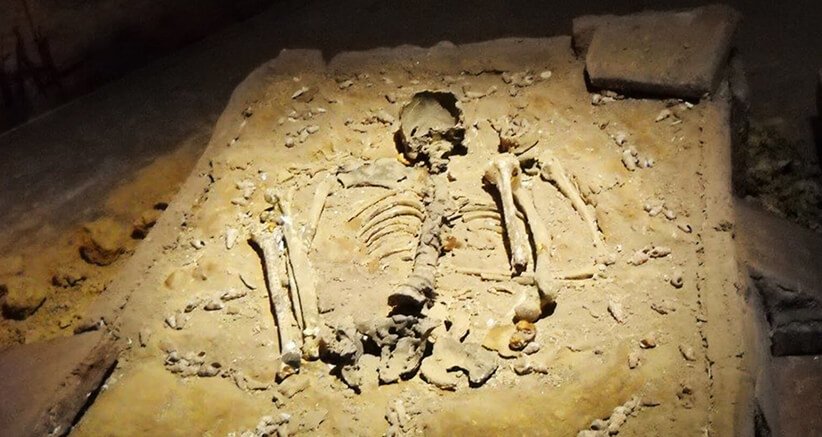
Archaeological Heritage of The Lenggong Valley, Perak (2012)
The Lenggong Valley is one of Southeast Asia’s most significant archaeological sites. It was the cradle of prehistoric human life in the region, with evidence of early human habitation stretching back hundreds of thousands of years. Around 1.83 million years ago, the valley was struck by a catastrophic meteor impact, wiping out all life in the surrounding area. This event gave rise to rare suevite impact rocks, which provide evidence of this extraordinary occurrence.
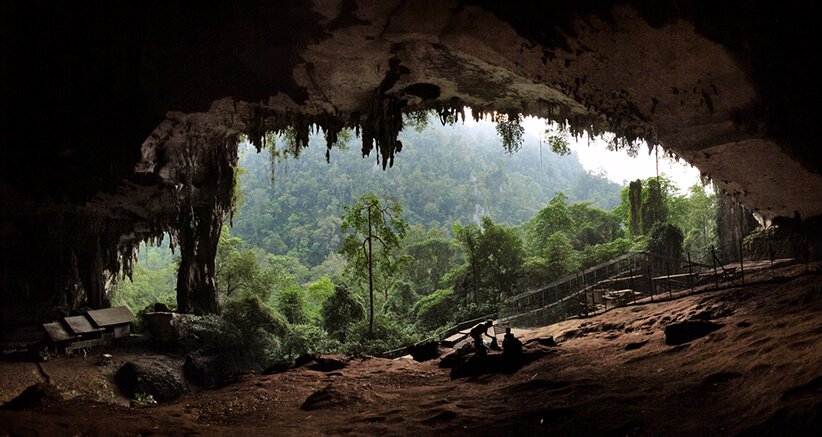
Archaeological Heritage of Niah National Park’s Caves Complex, Sarawak (2024)
Located in Miri, Sarawak, Malaysia, is an extraordinary destination that combines natural beauty with profound historical significance. It is a treasure trove of human history, ecological diversity, and cultural heritage, making it a site of global interest. Designated as a National Historical Monument, the caves are a candidate for UNESCO World Heritage Site recognition, emphasizing their universal value.
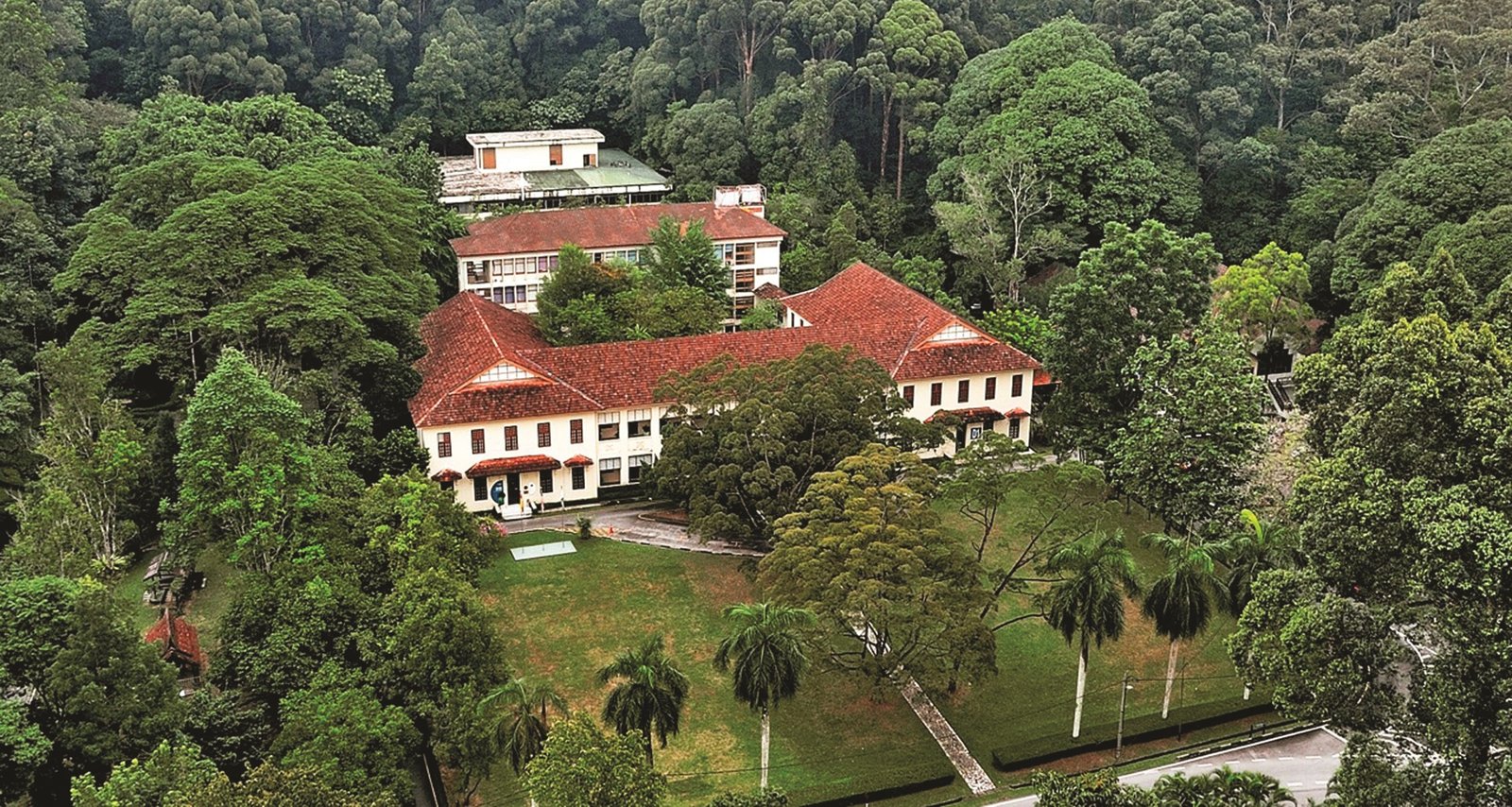
Forest Research Institute Malaysia Forest Park Selangor, Selangor (2025)
The Forest Research Institute Malaysia Forest Park Selangor (FRIM FPS), located in Kepong, Selangor, represents one of the world’s earliest and most successful examples of large-scale tropical rainforest restoration.Established in the 1920s on land severely degraded by tin mining, the site transformed barren terrain into a mature and biodiverse lowland tropical rainforest through systematic scientific reforestation efforts.